
Think of COVID-19 as another natural disaster, and anticipate the same potential problems. Begin your planning immediately by talking with your doctor.

My colleague, Richard Rauck, M.D., Pain Fellowship Director at the Wake Forest University of Medicine, and I presented a Continuing Medical Education (CME) symposium at the meeting on atypical opioid options. We discussed the strengths and weakness of three atypical opioids—tramadol, tapentadol, and buprenorphine—that clinicians may consider for the appropriate patients.

Many people clearly want to hold onto their unused medications. This is not new. However, the problem may worsen because, more than ever, patients who are in pain fear that they will not be able to get the medication they need.

Many people in pain want to share their story, and they ask me for help in doing so. Sometimes, I mention people who are in pain when I am speaking in public or talking with the media. Occasionally, someone tells me a story that is so poignant and eloquent that, with permission, I publish it.…

Tens of thousands of people have contracted the new coronavirus, now referred to as COVID-19. The people with increased risk for experiencing severe symptoms, and possibly dying of COVID-19, are seniors and those with chronic illness.

This article, in a slightly edited form, first appeared on Pain News Network on February 8, 2020. Good films entertain. Great films inspire. Sometimes, they even galvanize people to create a social movement against injustice. I recently saw one of those rare movies that fall into the category of movies that can inspire: Joker. The…

Policymakers have changed the way patients who have chronic pain are treated. The 2016 CDC Guideline for Prescribing Opioids for Chronic Pain has had a domino effect on policies throughout the country. Unfortunately, veterans have been particularly affected. I have heard of many vets being told they no longer would be prescribed opioids or benzodiazepines.…
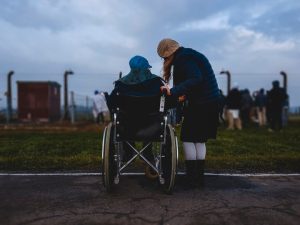
States can give strangers control over a debilitated person’s money, home, and health care treatment. Referred to as guardians, they are professionals who handle the affairs of the elderly.

Debunking the Myths About Why Opioid Addictions Develop

A combination of genes and environmental factors may put some people at risk of developing a caffeine addiction. The fact that it’s “only” caffeine or that it’s legal to buy caffeine doesn’t mitigate the dangers.
Recent Comments