Posts by Lynn Webster, M.D.
White Privilege and People in Pain
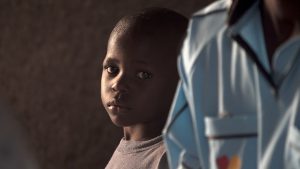
If I had been of a different race, would I have been treated with the same compassion? Research today suggests I probably would not have been.
Read MoreWhat to Do If You Lose Your Health Insurance

Before COVID-19 emerged, more than 27 million Americans lacked health insurance. The uninsured population mostly lived in low-income households where at least one person was working, and almost half of those who were uninsured cited the high cost of coverage as the reason. They may have been eligible for assistance under the Affordable Care Act (ACA, or “Obamacare”), but they may not have known that.
Read MoreRise Up Against Injustice

We know that unfair treatment applies to many subsets of the population, including people with pain. However, in this blog, I want to acknowledge the toll that racial inequality has taken on millions of Americans for generations.This week, I want to pay tribute to people who have been treated unjustly.
Read MorePeaceful Protests and Prejudice

This article, in a slightly edited form, first appeared on Pain News Network on June 6, 2020. The Salt Lake Tribune recently published a story that distressed me. It said that Scott Senjo, a criminal justice associate professor at Weber State University in Utah, tweeted threats at those who were peacefully protesting the alleged murder…
Read MoreMemorial Day: A Tribute to My Father

This article, in a slightly edited form, first appeared on Pain News Network on May 30, 2020. When I was a little boy, we planted roses, geraniums, chrysanthemums, and tulips at the graveside of my grandparents every Memorial Day. In the beginning, we only had my maternal grandfather’s and paternal grandmother’s graves to decorate.…
Read MoreConnections
This article, in a slightly edited form, first appeared on Pain News Network on May 23, 2020. On a recent “Hidden Brain” podcast, Shankar Vedantam interviewed former Surgeon General Dr. Vivek H. Murthy about the need for connection. Dr. Murthy is promoting his book, Together: The Healing Power of Human Connection in a Sometimes Lonely…
Read MoreWhere Are You Most Likely to Contract COVID-19?

Erin Bromage, Ph.D., Associate Professor of Biology at the University of Massachusetts Dartmouth, recently posted one of the most informative articles that I have read on how the virus is transmitted. It is worth reading.
Read MoreWhen Is Healthcare Noble?

What is it about certain medical conditions that results in unprecedented concern, a willingness to muster all resources, and an outpouring of selflessness from practitioners and the public alike? Why are healthcare professionals willing to risk their lives for coronavirus patients, but not their reputations to treat chronic pain?
Read MoreWhy Coronavirus Is the Modern-Day Titanic

Today, we are undergoing a very different disaster, but the same disparities are still in play.
Read MoreTime to Revisit Advance Care Directives

Given the COVID-19 pandemic, this seemed to be the right time to revisit the reason why people who want to have a say in their care, in the event of serious illness, should consider having Advance Care Directives (ACDs).
Read More