chronic pain
Opioids Are Not the Only Pain Medications That Can Be Abused

This article, in a slightly edited form, first appeared on Pain News Network on December 7, 2019. Contrary to popular opinion, opioids don’t cause substance abuse. Opioids certainly may be abused, but it is human biology itself that drives drug abuse. We often get the message that any pain treatment would be better than…
Read MorePunishment for Opioid Abuse Linked to Increase in Newborn Opioid Withdrawal

About half the states in the United States are willing to punish pregnant women in order to spare their babies the agony of being born with Neonatal Abstinence Syndrome (NAS). Ironically, their efforts are having the opposite effect.
Read MoreReplacing Opioids Has Just Been Made Harder

People in pain rely on scientific advances to find safer, more effective alternatives to opioids, and animal research is key to all early drug development. A recent announcement from the Environmental Protection Agency (EPA) threatens to change that, inhibiting science’s ability to replace opioids and create new life-saving pain interventions.
Read MoreSleep Tips for Those Dealing with Chronic Pain

Chronic pain is something you deal with on a daily basis. But remember, although pain can make sleep more difficult, it’s not impossible. There are several natural sleep methods you can explore to get the good night’s rest you’re after.
Read MoreCanadian Survey Repudiates Government Policies Harming People in Pain

It is understandable that politicians want to reduce the harm from inappropriate use of opioids, but it should not be at the expense of people in pain. This is a human rights issue that must not be ignored.
Read MoreColor Hurts

This article, in a slightly edited form, first appeared on Pain News Network on October 26, 2019. It is a myth that the matador’s red muleta incites rage in the bull and causes him to charge; the truth is, all cattle are colorblind. The bull does not charge because of the color, but because of…
Read MoreChronic Pain Accelerates Dementia
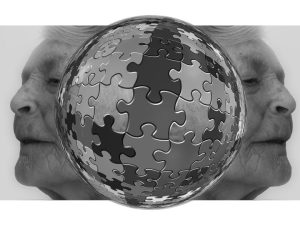
It can be argued that the most common type of dementia is associated with chronic pain. The amount, or severity, of dementia appears to be associated with the severity and duration of chronic pain. Undertreated or untreated chronic pain may accelerate dementia.
Read MoreTherapies of the Heart

In a recent blog, I noted that I would share my thoughts about pain management education with the NIH. I did so. A slightly edited form of my letter to the NIH follows. In the original, I included a formal bibliography. In this version, I have used hyperlinks for your convenience.
Read MoreWhat “Rocketman” Tells Us About Pain and Addiction

Adverse childhood experiences rewire the brain. The heightened response to stress that some children develop can affect the reward center of the brain and the executive functioning of the prefrontal cortex. It can also result in maladaptive behaviors associated with pain and addiction.
Read MoreIs Postpartum Pain Control a Crap Shoot?

I worried that the hospital’s choice to lessen the amount of drugs prescribed, rather than focusing on patients’ clinical needs, might mean my daughter’s need for pain control would be unmet. The idea of my daughter enduring inadequately treated pain haunted me, as it would any father, but as a pain specialist, it may have troubled me even more.
Read More