
How we experience pain is a result of both environmental and genetic features. The genetic factors are what we inherit.
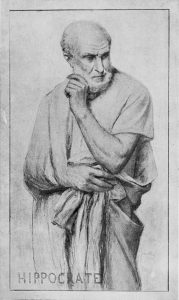
A mischaracterization of the phrase “First, do no harm” must not prevent providers from caring for people, or prevent policymakers from allowing physicians to treat their patients. That treatment must include providing patients with medication that can adequately provide pain relief with acceptable risk.
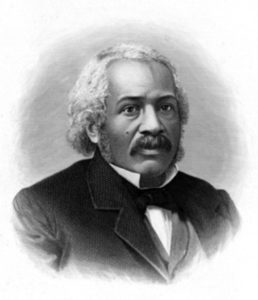
Only 5 percent of physicians in the United States are Black, despite the fact that the population includes more than double that number of African Americans. That needs to change.

Dr. Ziegler is an advocate for people in pain. A Purdue University professor emeritus, Dr. Ziegler has also worked as a lawyer, police officer, detective, DEA agent, and humorist. I don’t know how he puts these experiences together, but I’m grateful that he is willing and able to leverage all of his skills and knowledge in a remarkable way to produce entertaining and informative podcasts.

Those who follow my work on Linked In, in social media and in medical journals will be aware that I am a sharp critic of the U.S. Centers for Disease Control and Prevention (CDC) and its 2016 Guideline for Prescribing Opioids for Chronic Pain to adults with chronic non-cancer pain

If I had been of a different race, would I have been treated with the same compassion? Research today suggests I probably would not have been.

Before COVID-19 emerged, more than 27 million Americans lacked health insurance. The uninsured population mostly lived in low-income households where at least one person was working, and almost half of those who were uninsured cited the high cost of coverage as the reason. They may have been eligible for assistance under the Affordable Care Act (ACA, or “Obamacare”), but they may not have known that.

We know that unfair treatment applies to many subsets of the population, including people with pain. However, in this blog, I want to acknowledge the toll that racial inequality has taken on millions of Americans for generations.This week, I want to pay tribute to people who have been treated unjustly.

This article, in a slightly edited form, first appeared on Pain News Network on June 6, 2020. The Salt Lake Tribune recently published a story that distressed me. It said that Scott Senjo, a criminal justice associate professor at Weber State University in Utah, tweeted threats at those who were peacefully protesting the alleged murder…

This article, in a slightly edited form, first appeared on Pain News Network on May 30, 2020. When I was a little boy, we planted roses, geraniums, chrysanthemums, and tulips at the graveside of my grandparents every Memorial Day. In the beginning, we only had my maternal grandfather’s and paternal grandmother’s graves to decorate.…
Recent Comments